
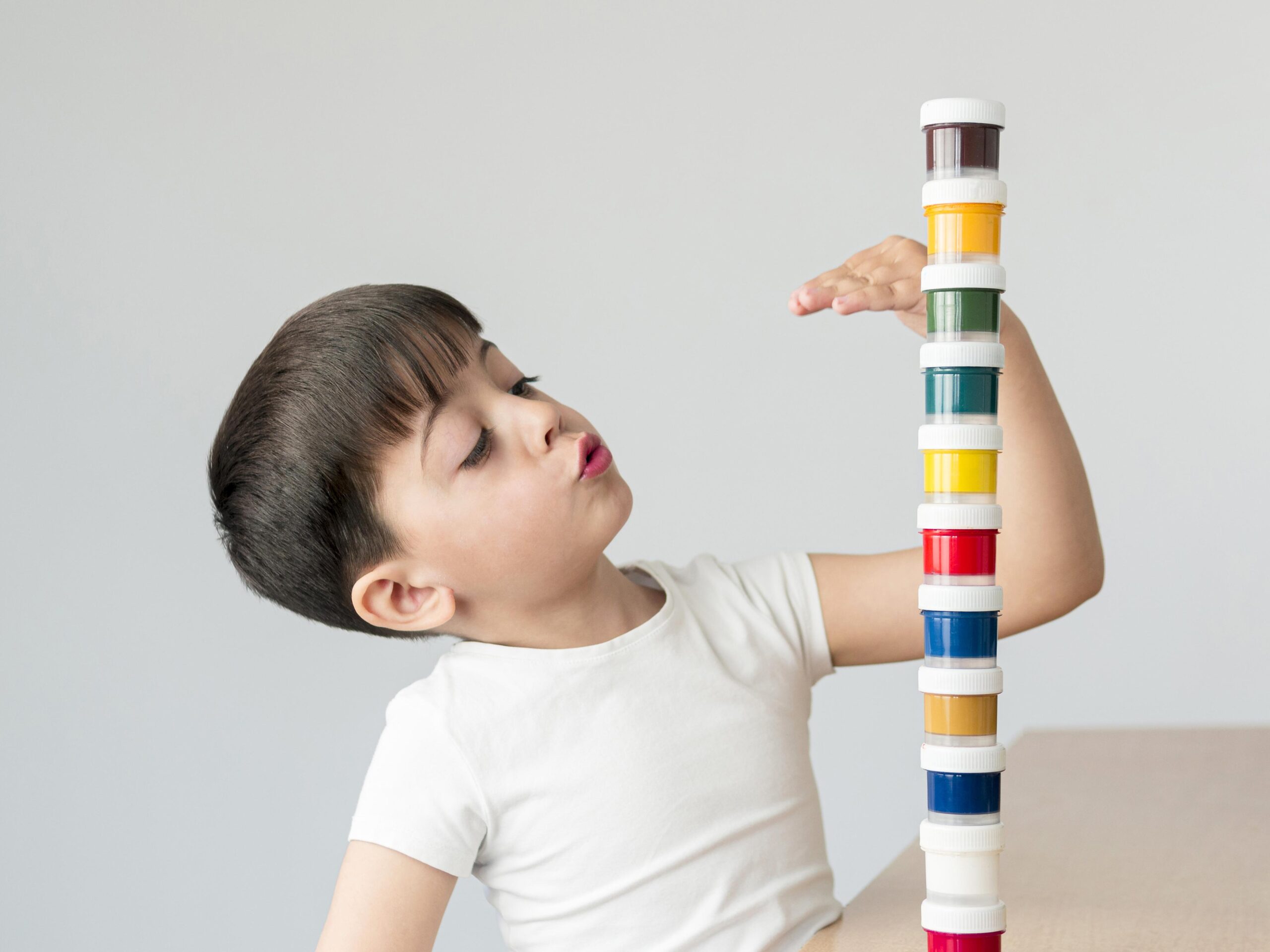
A child’s growth is an important part of their overall health. Children naturally grow at different rates, but significant differences in height or a noticeable slowdown in growth can sometimes indicate an underlying medical condition. One such condition is Growth hormone deficiency in children, where the body does not produce enough growth hormone for normal growth.
Growth hormone is produced by the pituitary gland, a small gland located at the base of the brain. It plays an important role in supporting bone growth, muscle development, metabolism, and other body functions.
Growth hormone deficiency is uncommon, but early recognition and appropriate medical care can help eligible children achieve better growth outcomes. Parents who are concerned about their child’s height or growth pattern should consult a qualified pediatrician or pediatric endocrinologist rather than relying only on comparisons with other children.
What Is Growth Hormone?
Growth hormone, also called human growth hormone (HGH), is a hormone produced by the pituitary gland.
In children, it supports:
- Growth of bones and tissues
- Muscle development
- Normal body composition
- Healthy metabolism
- Development during childhood and adolescence
Growth hormone works together with other hormones and growth factors, particularly insulin-like growth factor 1 (IGF-1), to support normal growth.
Growth is a complex process, so a child’s height depends on many factors, including genetics, nutrition, general health, hormones, and chronic medical conditions.
What Is Growth Hormone Deficiency?
Growth hormone deficiency in children occurs when the body does not produce enough growth hormone, or when growth hormone does not work properly.
Children with this condition may grow more slowly than expected and may be shorter than children of the same age.
However, being short does not automatically mean a child has a growth hormone deficiency. Some children are naturally shorter because of family genetics or other normal growth patterns.
This is why professional assessment is important.
Types of Growth Hormone Deficiency
Growth hormone deficiency can be present from birth or develop later.
Congenital Growth Hormone Deficiency
Some children are born with problems affecting the pituitary gland or the development of the areas of the brain that regulate hormone production.
Acquired Growth Hormone Deficiency
The condition can sometimes develop later because of:
- Brain tumors
- Head injuries
- Radiation therapy
- Certain infections
- Disorders affecting the pituitary gland
- Other medical conditions
In some children, no specific cause can be identified.
Common Signs and Symptoms
The symptoms can vary depending on the child’s age and the severity of hormone deficiency.
Slow Growth
One of the most important signs is a slower-than-expected growth rate. A child may grow less in height each year than expected for their age.
Short Height Compared With Peers
A child may be significantly shorter than classmates or other children of the same age.
However, height comparisons alone are not enough for diagnosis.
Delayed Bone Development
Children with growth hormone deficiency may have delayed bone maturation, meaning their skeletal age may be younger than their actual age.
Increased Body Fat
Some children may have increased fat around the waist or a higher body-fat percentage.
Delayed Puberty
If growth hormone deficiency occurs alongside other hormone problems, puberty may also be delayed.
What Causes Growth Hormone Deficiency?
There are several possible causes.
Problems With the Pituitary Gland
Damage or abnormalities affecting the pituitary gland can reduce growth hormone production.
Genetic Conditions
Certain genetic conditions can affect the development or function of the pituitary gland and hormone pathways.
Brain Conditions
Tumors, injuries, infections, or treatments involving the brain can sometimes affect hormone production.
Other Hormonal Disorders
Growth problems may occur along with deficiencies of other pituitary hormones.
Unknown Causes
In some children, doctors may not find a clear cause. This is sometimes described as idiopathic growth hormone deficiency.
How Is Growth Assessed?
The first step is usually a detailed assessment of the child’s growth pattern.
Doctors may review:
- Height measurements over time
- Weight
- Growth velocity
- Family heights
- Birth history
- Nutrition
- Medical history
- Puberty development
A single height measurement is less useful than looking at growth over time.
Children’s height is plotted on standardized growth charts to determine their growth pattern and compare it with children of the same age and sex.
Tests for Growth Hormone Deficiency
If a doctor suspects Growth hormone deficiency in children, several investigations may be considered.
Blood Tests
Doctors may measure IGF-1 and other hormones as part of the evaluation. These tests can provide useful information but cannot always diagnose growth hormone deficiency by themselves.
Growth Hormone Stimulation Test
Because growth hormone is released in pulses, a random blood test may not accurately show how much growth hormone a child produces.
A stimulation test may therefore be used. During this test, a medicine is given to stimulate growth hormone release, and blood samples are collected at specific times.
The test should be performed under appropriate medical supervision.
Bone Age X-Ray
An X-ray of the hand and wrist can help doctors assess bone maturity and determine whether bone development is delayed.
MRI Scan
An MRI of the brain or pituitary region may be recommended when doctors need to look for structural problems affecting the pituitary gland.
Treatment Options
Treatment depends on the underlying cause and the child’s individual health.
Growth Hormone Therapy
For children who are confirmed to have growth hormone deficiency and meet the appropriate treatment criteria, recombinant human growth hormone may be prescribed.
It is usually administered as an injection under the skin. The treatment schedule depends on the specific medication and the doctor’s recommendation.
Treatment requires regular monitoring to assess growth response and check for possible side effects.
Treating Other Hormone Problems
If the child has deficiencies involving other pituitary hormones, additional hormone replacement may be needed.
Treating Underlying Conditions
When growth hormone deficiency is caused by another medical problem, treatment may also focus on the underlying condition.
Is Growth Hormone Therapy Safe?
Growth hormone therapy is considered an established treatment for appropriately diagnosed children, but it should only be prescribed and monitored by qualified healthcare professionals.
Possible side effects can occur, although serious complications are uncommon. The doctor will monitor the child during treatment and adjust the dose when necessary.
Parents should never use growth hormone medicines without a proper medical diagnosis and prescription.
Importance of Early Diagnosis
Early identification of abnormal growth can be helpful because growth patterns change throughout childhood.
When a child is growing significantly slower than expected, an early medical assessment can help identify whether the cause is hormonal, nutritional, genetic, chronic disease-related, or simply a normal growth pattern.
Early assessment does not always mean a child needs treatment. It means the child’s growth can be understood and monitored appropriately.
When Should Parents Consult a Doctor?
Parents should consider speaking with a pediatrician if:
- Their child is significantly shorter than expected.
- Growth appears to have slowed noticeably.
- The child is dropping across growth-chart percentiles.
- The child has other symptoms suggesting hormonal problems.
- Puberty appears significantly delayed.
- There is a history of brain injury or treatment affecting the brain.
- There is a known family history of certain hormone or genetic disorders.
A pediatric endocrinologist can perform a more detailed evaluation when necessary.
Supporting Healthy Growth
Not every growth problem is caused by a hormone disorder. Healthy habits are important for all children.
Parents should encourage:
Balanced Nutrition
Children need adequate calories, protein, vitamins, minerals, and other nutrients for normal development.
Regular Physical Activity
Age-appropriate physical activity supports healthy bones, muscles, and overall well-being.
Adequate Sleep
Good-quality sleep is important for children’s physical and mental development.
Regular Health Checkups
Routine pediatric visits allow doctors to monitor height, weight, development, and other aspects of health.
Choosing a Pediatric Endocrinology Clinic
Parents searching for care related to Growth hormone deficiency in children should choose a clinic with access to pediatric endocrine expertise and appropriate diagnostic and follow-up services.
Growth problems can have many different causes, so an experienced specialist can help determine whether hormonal testing is necessary.
For pediatric endocrine evaluation and specialist care, you can learn more about Akna Health Clinic, a pediatric healthcare clinic in Trivandrum.
Conclusion
Growth hormone deficiency in children is a medical condition that can affect normal height growth and development. Slow growth, short stature, delayed bone development, and delayed puberty can be possible signs, although these symptoms can also occur for many other reasons.
Diagnosis requires more than checking a child’s height. Doctors may assess growth patterns, family history, physical development, blood tests, bone age, growth hormone stimulation testing, and imaging when appropriate.
For children with confirmed growth hormone deficiency who meet treatment criteria, growth hormone therapy may help improve growth when started and monitored appropriately.
Parents who are concerned about their child’s growth should not compare their child only with classmates or relatives. Tracking growth over time and discussing concerns with a pediatrician can provide a clearer picture.
Timely specialist evaluation can help identify the cause of poor growth and ensure that children receive appropriate care when needed.
FAQS
1. What is growth hormone deficiency in children?
It is a condition in which the body does not produce enough growth hormone or does not use it effectively, potentially resulting in slower height growth.
2. Does being short mean my child has growth hormone deficiency?
No. Short stature can be related to genetics, normal growth patterns, nutrition, chronic illness, or several other factors. Proper evaluation is needed before diagnosing a hormone deficiency.
3. How is growth hormone deficiency diagnosed?
Doctors may evaluate growth patterns and use tests such as IGF-1 measurements, growth hormone stimulation testing, bone age assessment, and sometimes an MRI scan.
4. Can growth hormone deficiency be treated?
Yes. Children with confirmed deficiency who meet treatment criteria may be treated with recombinant human growth hormone under specialist supervision.
5. Is growth hormone therapy given every day?
Growth hormone is administered by injection, and the frequency depends on the specific medicine prescribed. Some preparations may have different dosing schedules.